

Workforce Intelligence
WorkforceIntelligence365 reads the metadata Microsoft 365 already produces — meeting patterns, mail and collaboration signals, working hours — and turns it into explainable, role-scoped analytics about how work actually happens, without reading anyone's content. This hub gathers Creodata's writing on what that data can and cannot tell a leader: workload and after-hours patterns, meeting load, collaboration across teams, wellbeing signals, and the governance questions — consent, aggregation, access — that decide whether workforce analytics is trusted.
The articles are written for HR and people-analytics leads, COOs and the Microsoft 365 administrators who would deploy it. Start with the complete guide to workforce analytics with Microsoft 365, then follow the articles on specific signals and on governance.

The Team That Looked Fine Until It Wasn't: Reading Burnout Risk From Calendars Alone
A consultancy lost three senior staff in one quarter. Calendar, Planner and org-chart metadata — not email content — showed the burnout signals months earlier.
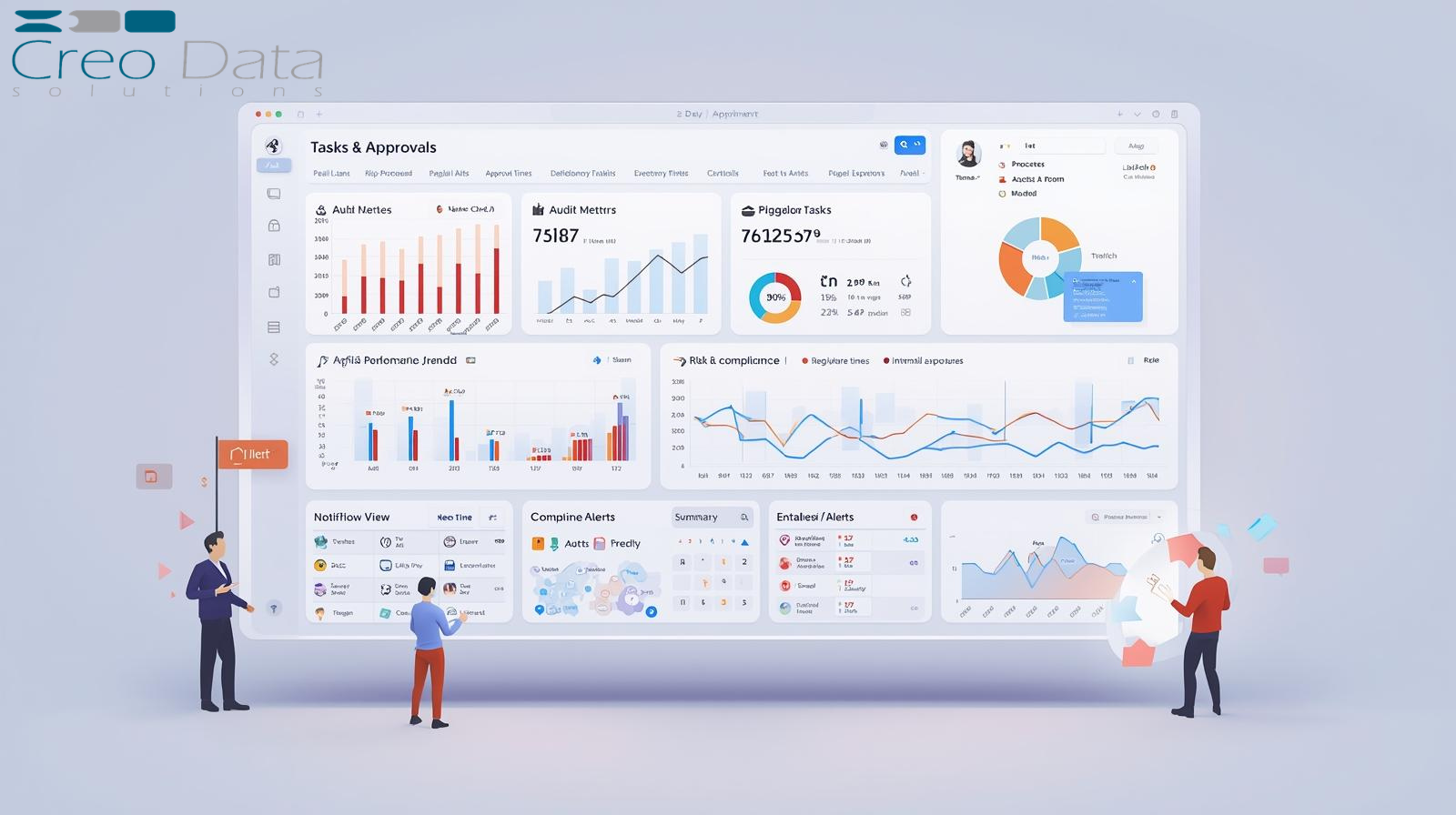
The Complete Guide to Workforce Analytics with Microsoft 365
A complete, practical guide to metadata-driven workforce analytics on Microsoft 365 — measuring productivity, meeting load and workload, predicting burnout ethically, and the privacy, governance and deployment foundations that make it defensible.

What Is Workforce Analytics? A Metadata-Driven Guide for HR and Leadership
Workforce analytics explained: what it is, how it differs from surveillance, the metadata it uses, the questions it answers, and how a Microsoft 365-native platform turns everyday work signals into ethical insight.
How to Measure Employee Productivity with Microsoft 365 Metadata
A practical look at measuring productivity from Microsoft 365 metadata — the Planner task and calendar signals that matter, why metadata beats content, and how weekly snapshots turn raw activity into trends.
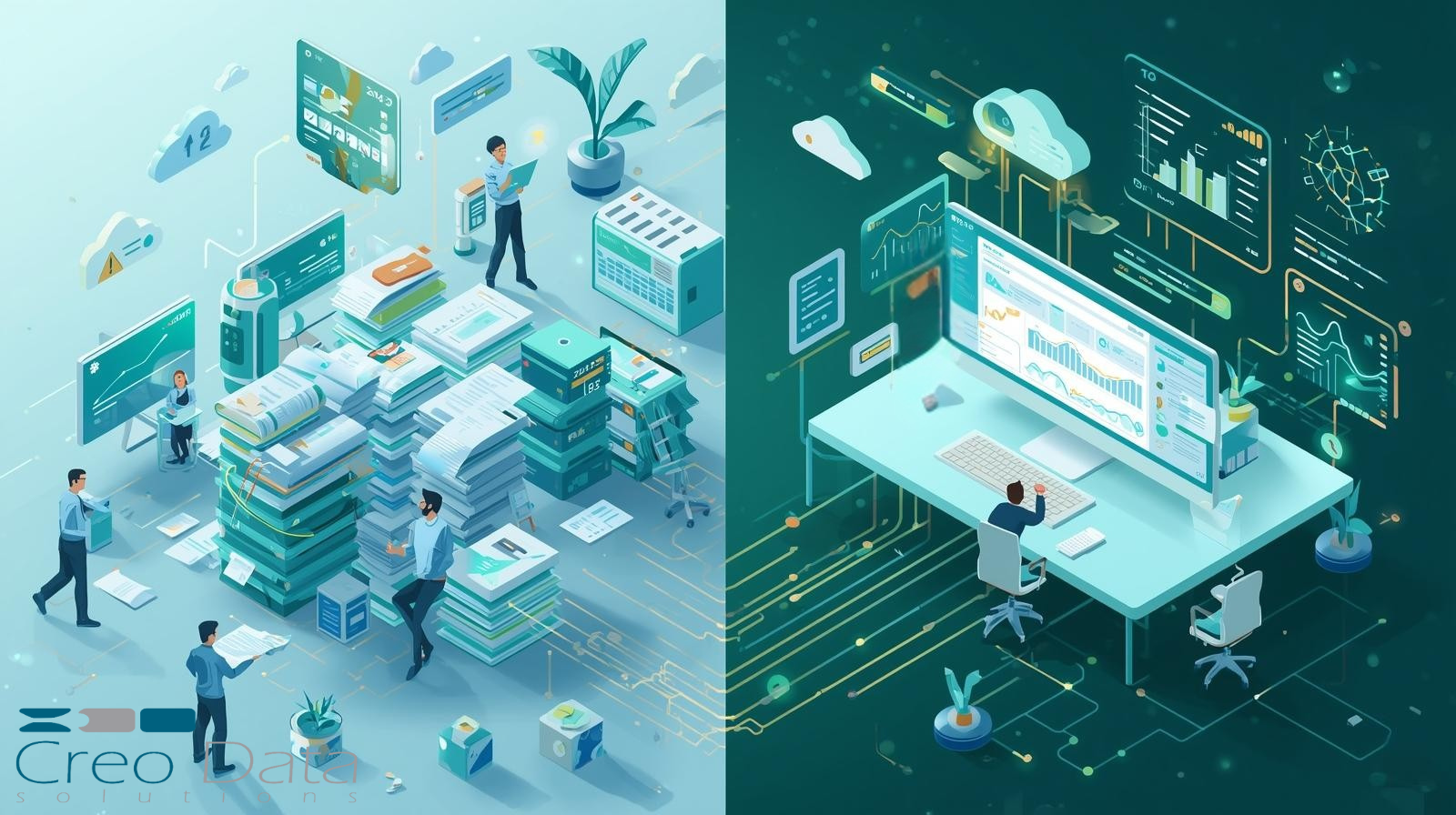
How the Productivity Score Is Calculated: A Transparent Methodology
Inside the composite productivity score: how task completion, on-time delivery, weighted output and a meeting-load penalty combine, why priority weighting matters, and how department KPI weights keep the score fair.
Meeting Load and Focus Time Analytics: Reclaiming Deep Work
How calendar metadata reveals meeting overload and protects focus time — the meeting load index, after-hours meetings, focus hours, and how teams use the signals to reclaim deep work.

Predicting Employee Burnout with Workforce Analytics
How leading indicators in everyday work metadata can flag burnout risk early — the features that drive the model, how risk levels are assigned, and the ethical guardrails that keep scoring fair and private.

Explainable AI in HR Analytics: Why Logistic Regression Beats a Black Box
Why explainability is non-negotiable for people decisions — how a transparent logistic-regression model with configurable coefficients gives HR defensible, auditable burnout scoring instead of an opaque black box.
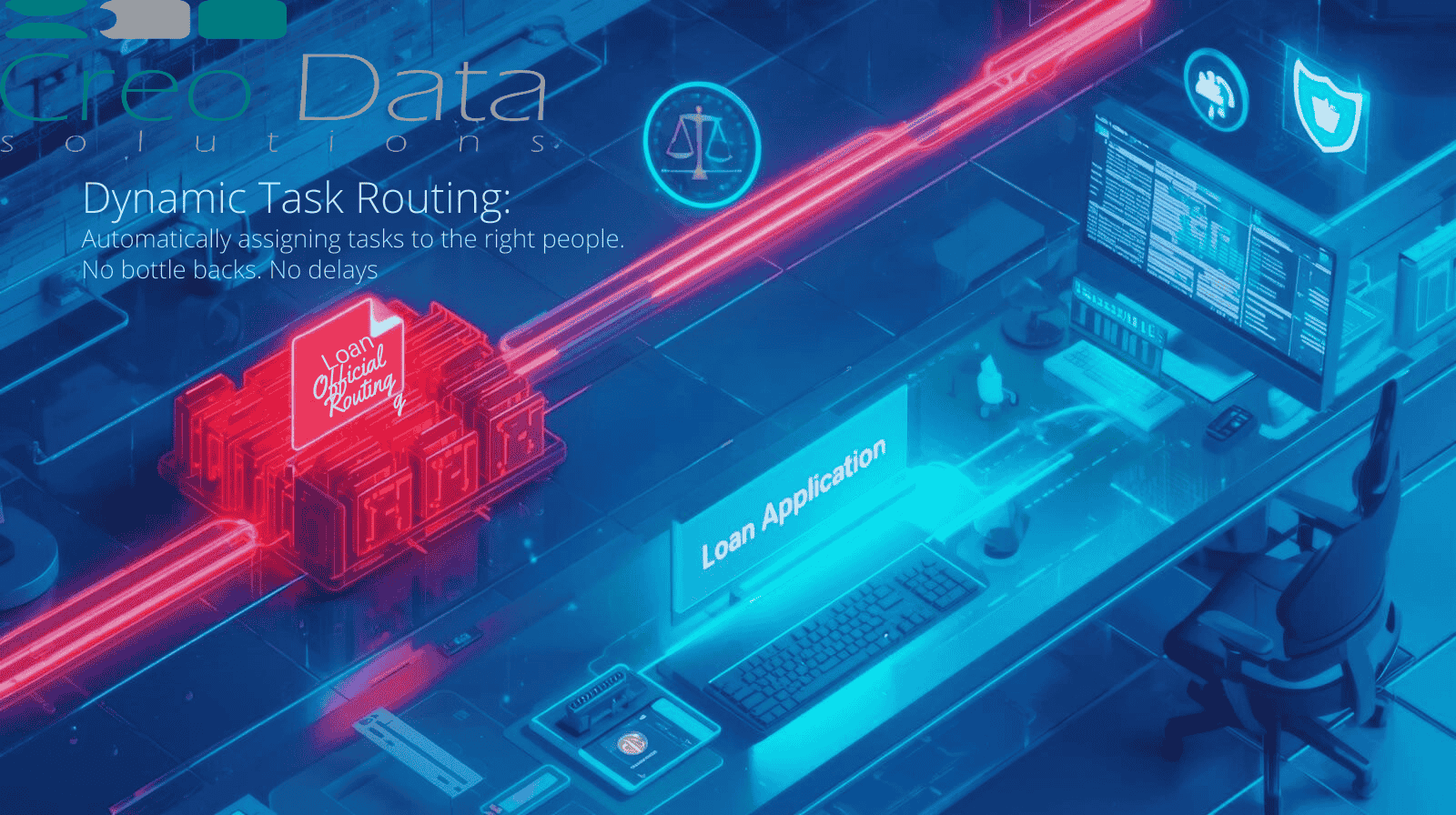
Workload Distribution: Spotting Overload and Rebalancing Teams
How workload analytics surface overloaded and underutilised team members from task metadata, and how managers can rebalance assignments before deadlines slip or burnout sets in.
Employee Monitoring vs Ethical Workforce Analytics: Where Is the Line?
The difference between intrusive employee monitoring and ethical, metadata-only workforce analytics — what each collects, the trust and morale stakes, and the principles that keep analytics on the right side of the line.
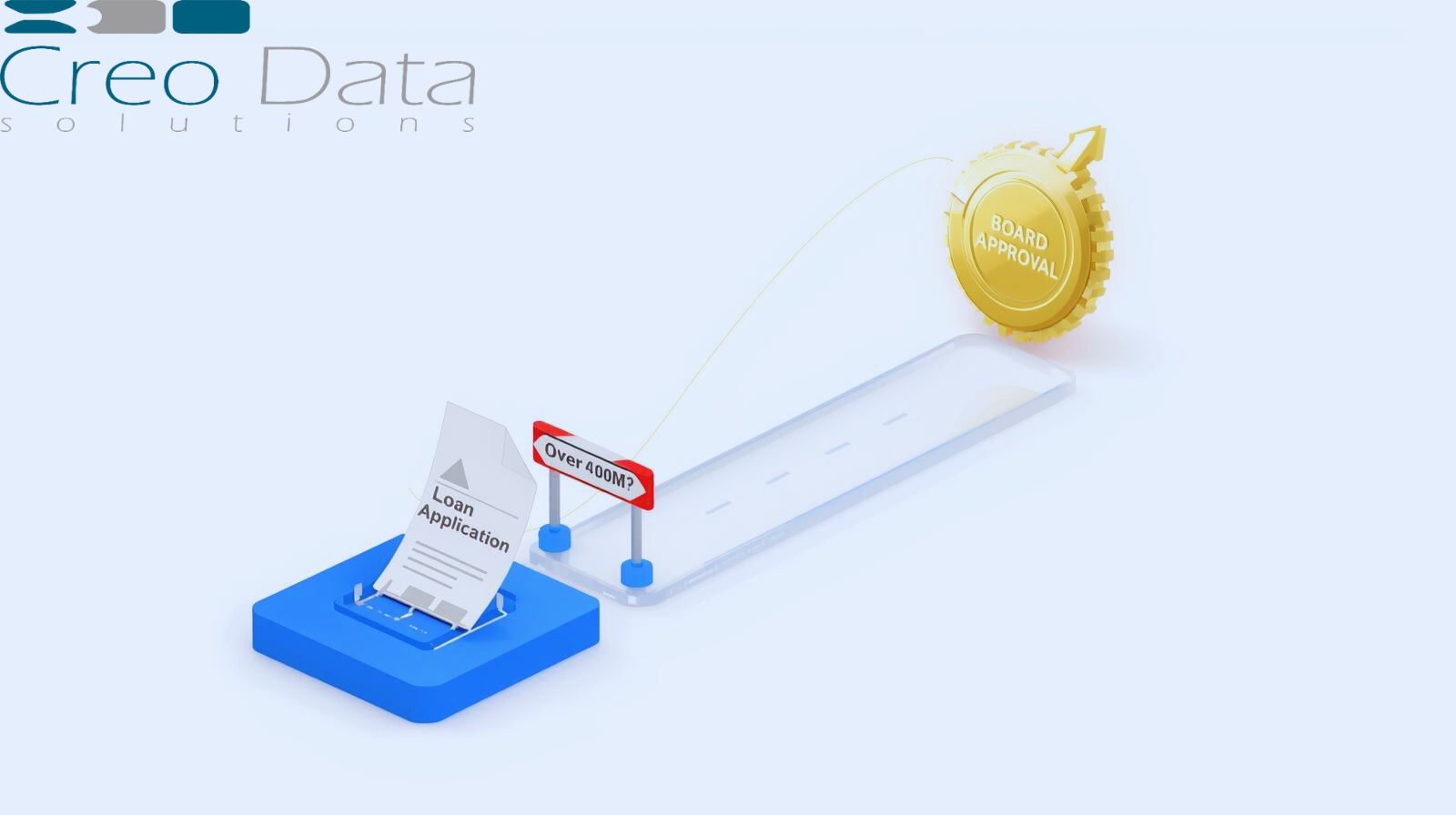
Privacy and Governance for Workforce Analytics: A Practical Framework
A practical governance framework for workforce analytics — lawful basis, DPIA, transparency, role-based visibility, data retention, human-in-the-loop and the audit trail that makes the programme defensible.

Microsoft Graph for Workforce Data: Delta Sync, Least Privilege, Metadata Only
How a workforce analytics platform should pull Microsoft 365 data — the Graph endpoints and least-privilege scopes, why metadata-only access matters, and the delta-sync engine that keeps it incremental and resilient.
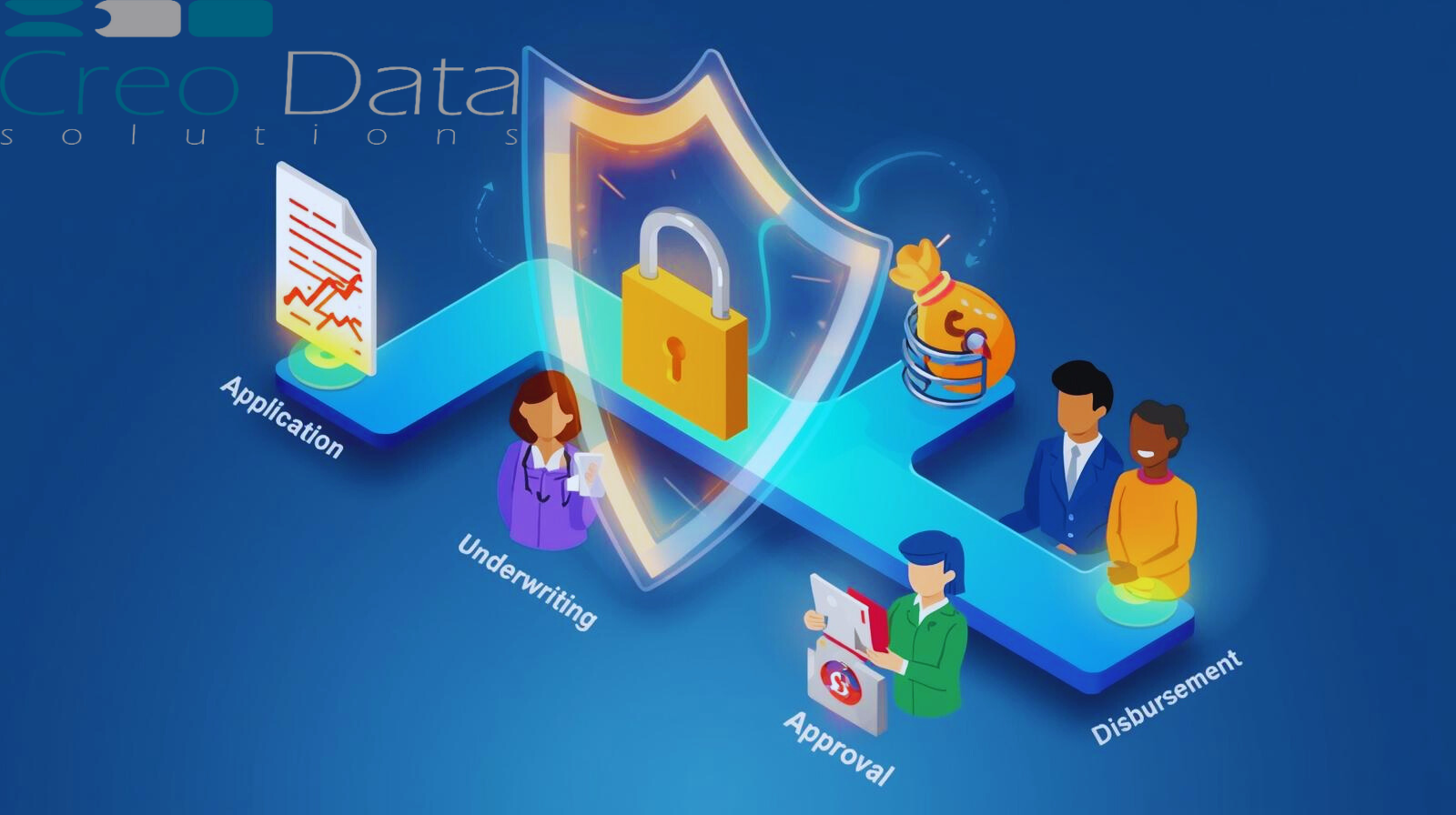
Role-Based Access in Workforce Analytics: Who Should See What
A role-by-role model for workforce analytics access — what staff, line managers, executives, HR and system admins should each see, why burnout scores are HR-only, and how visibility is enforced.
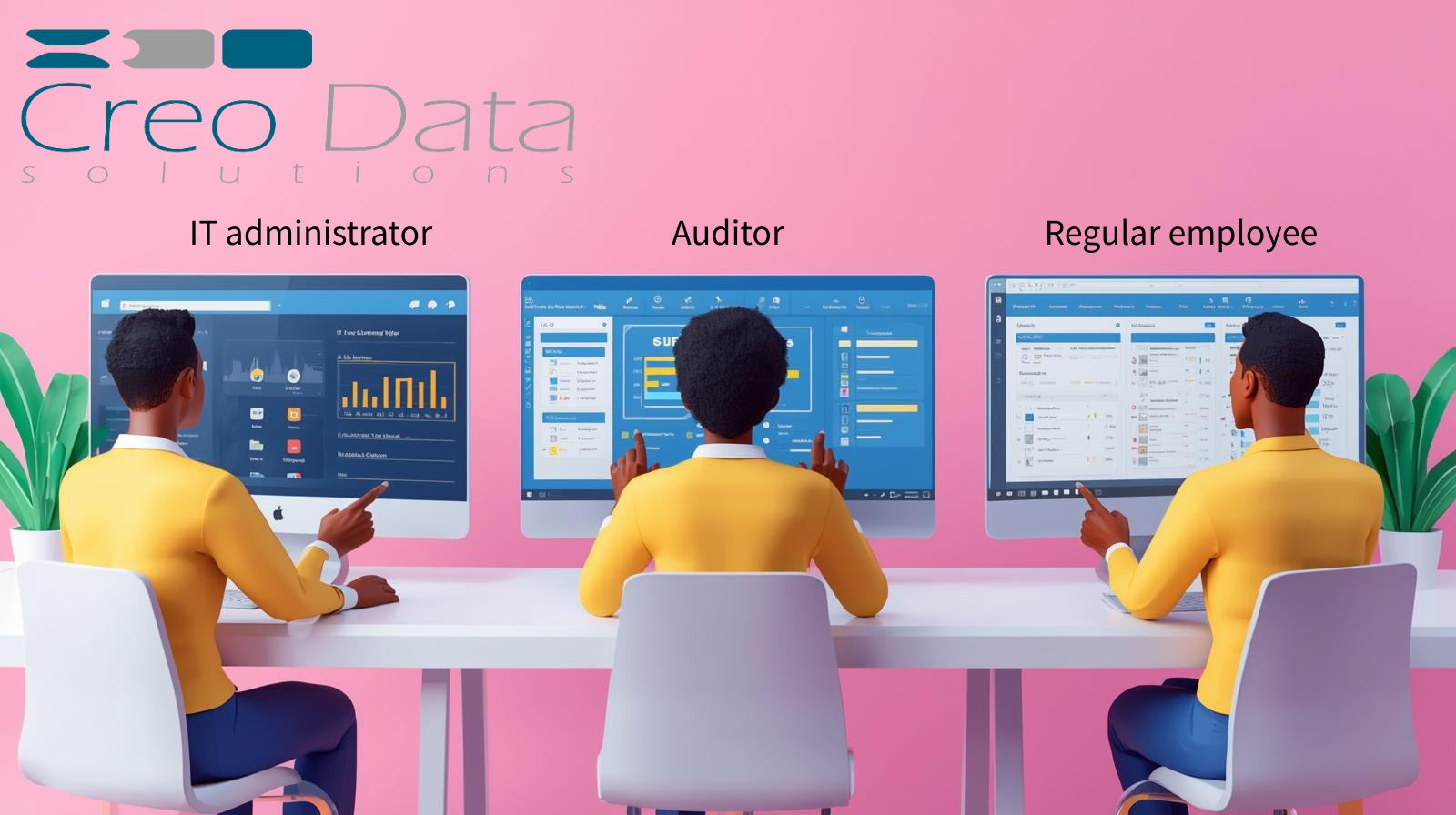
Department KPI Weighting: Why One Productivity Formula Doesn't Fit All
Why a single productivity formula misjudges different teams, and how configurable, per-department KPI weights make the score fair for engineering, finance, HR, sales and more.

Reducing Employee Turnover with Early Burnout Signals
The business case for acting on burnout data early — how leading wellbeing signals, paired with workload rebalancing and manager coaching, can cut attrition, sick leave and project delays.
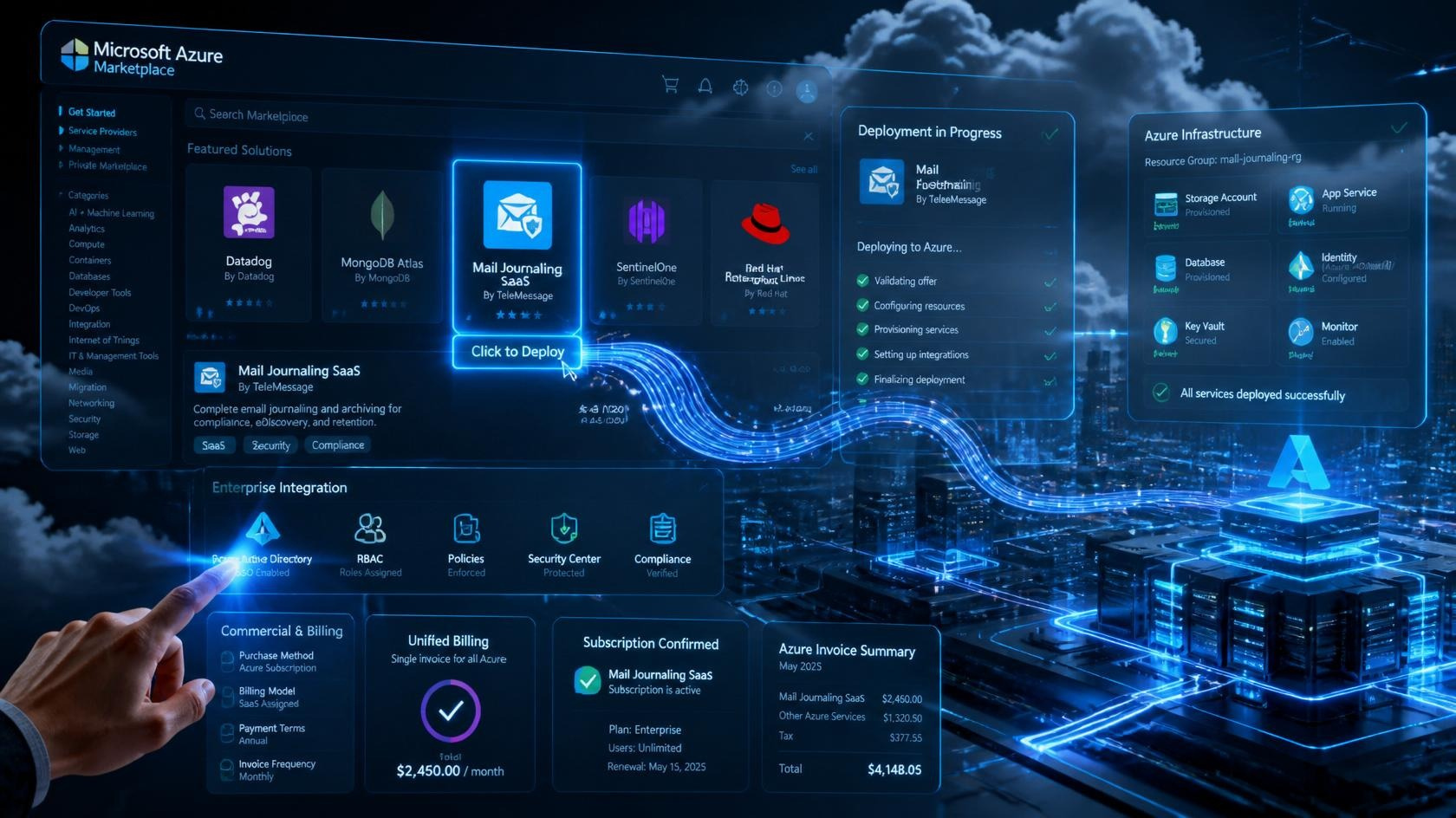
Deploying Workforce Analytics: Azure Marketplace Managed App or On-Premises
Two deployment paths for workforce analytics — a one-click Azure Marketplace managed application in your own subscription, or on-premises Kubernetes — and how per-user metered billing and backend switches work.

Implementing Workforce Analytics: A Phased Rollout and Change-Management Guide
A phased plan for rolling out workforce analytics — from basic reporting to predictive insight — with the onboarding steps, governance and change-management practices that earn employee trust.