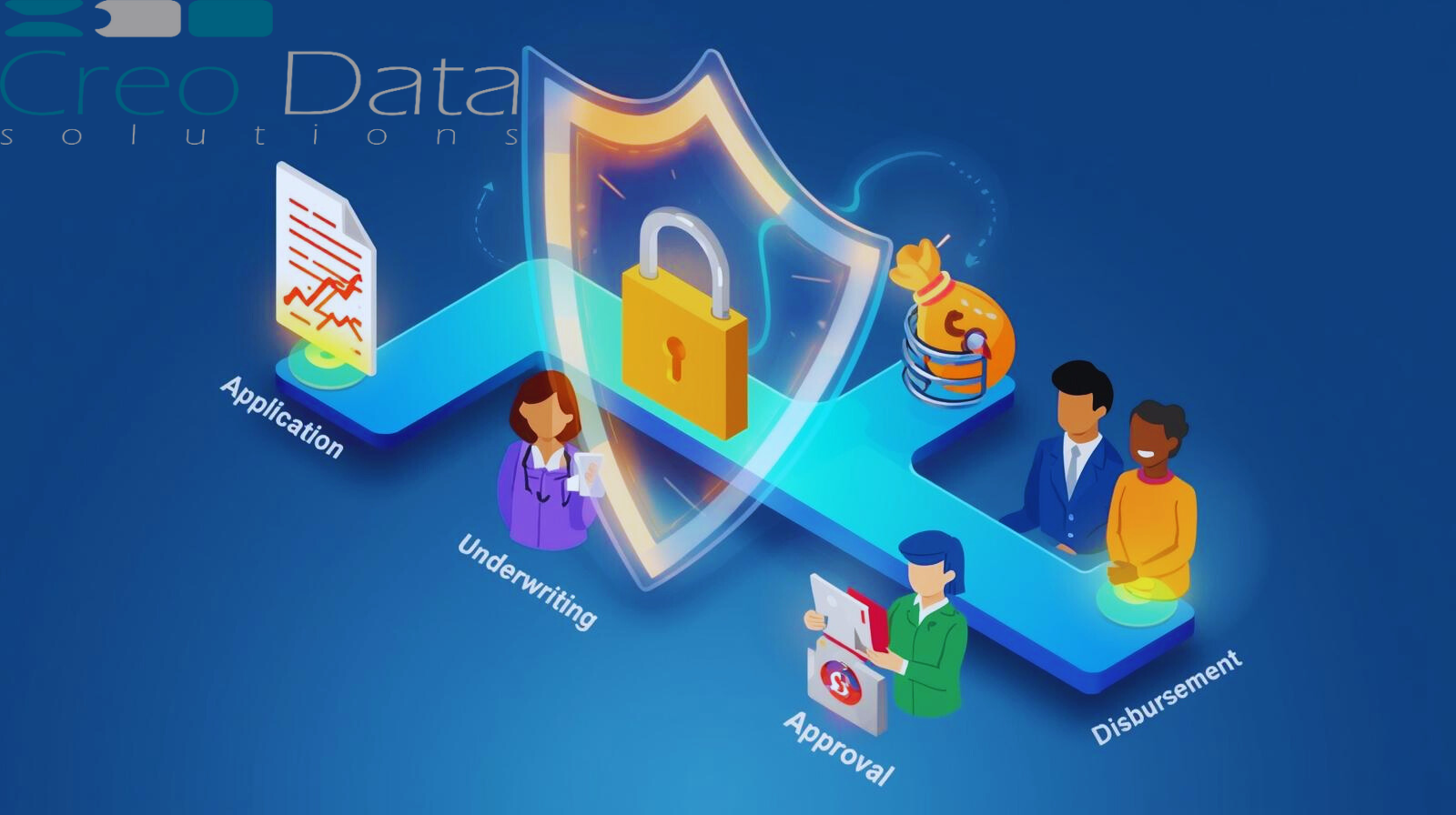

Digital Business Account Opening for Banks: From Paper Forms to Straight-Through Onboarding
How banks replace paper business account-opening forms with a guided, compliant digital journey — what digital onboarding is, the benefits, and what a modern platform must do.
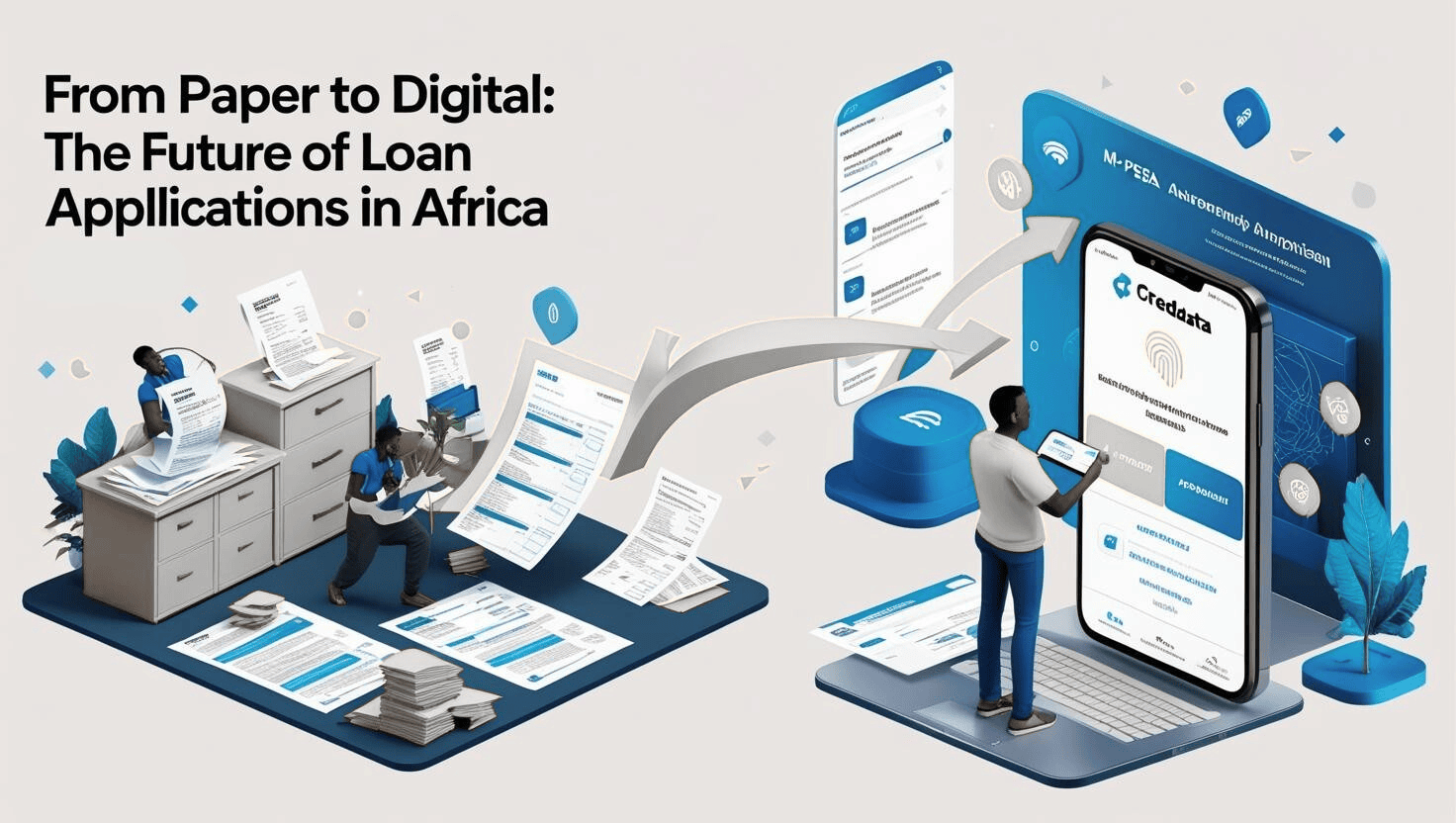
Opening a business or corporate account is still, in many East African banks, a paper exercise: a multi-page form, a folder of certified copies, and a queue of staff re-keying the same data into core systems. Digital business account opening replaces that journey with a single guided, compliant, fully tracked digital flow — one that captures the right information once, collects the right documents up front, and moves each application through a workflow with clear ownership and timings. This guide explains what digital onboarding actually is, why it matters for a regulated institution, and what a modern platform must do to deliver it.
What digital business account opening actually means
Digital business account opening is the end-to-end process of onboarding a company, partnership, SACCO, or sole proprietorship to a bank account through a structured online journey rather than a printed form. It is not simply a PDF emailed back and forth, nor a web page that produces a document for a branch officer to retype. A genuinely digital journey captures structured data, validates it as the applicant proceeds, gathers the supporting documents against a checklist, and hands a complete, reviewable application to the bank's operations and compliance teams.
The distinction matters because the form is only the visible part. Behind the business account-opening form sits a chain of obligations: verifying the legal entity, identifying who controls it, screening the parties, recording authorised signatories and how the account may be operated, and keeping an auditable record of every decision. A modern platform treats the form and that compliance machinery as one system. Our complete guide to business account opening sets out the whole landscape; this article focuses on the move from paper to a straight-through digital flow.
The cost of the paper and PDF status quo
The familiar paper process imposes costs that rarely appear on a single line in a budget but accumulate across every application.
- Re-keying and transcription error. Data written by hand or typed into a PDF is keyed again into the core system, introducing mistakes and consuming staff time that should go to judgement, not data entry.
- Lost and incomplete forms. Paper folders go missing, pages get separated, and applicants frequently submit a form that is missing a document or a signature — discovered only when an officer reviews it days later.
- No reliable audit trail. When a form moves by hand and email, there is no single record of who did what and when. Reconstructing the history of an application for an auditor or regulator becomes an exercise in stitching together inboxes.
- Slow, opaque turnaround. Without stage ownership or timers, applications stall in queues no one is monitoring, and the applicant has no way to see where things stand.
- Abandonment. A long, repetitive, error-prone process loses applicants. A business that cannot complete an application in one sitting, or cannot return to finish it later, often simply gives up.
These are not edge cases; they are the default behaviour of a paper process. The remainder of this guide describes the capabilities that remove each of them, and how the Creodata Business Account Opening System implements them.
The business case for going digital
The argument for digital onboarding rests on four outcomes that reinforce one another.
Faster, more predictable turnaround. When each application moves through defined stages with an owner and a service-level timer, work stops sitting in invisible queues. Operations leads can see where applications are, which are close to breaching, and where capacity is needed. We cover this discipline in depth in account opening turnaround time and SLAs.
Fewer errors and less rework. Structured capture with validation, and a checklist that prevents submission of an incomplete file, mean fewer applications bounce back. Data captured digitally flows into review without transcription, and the clean handoff to account creation is described in core-banking integration and the account-creation handoff.
Better compliance capture. The hardest parts of onboarding — identifying beneficial owners, screening for politically exposed persons, recording FATCA status — are captured as structured, mandatory steps rather than free text on a form. That makes the compliance file complete by construction.
A better experience. Applicants complete a guided journey, save their progress, and track status without calling a branch. For corporate customers comparing banks, the onboarding experience is often the first signal of how the relationship will run, and reducing friction directly reduces account-opening abandonment.
What a modern platform must do
A platform that genuinely delivers straight-through onboarding has to do more than digitise a form. The following capabilities are the must-haves, and they map directly to how Creodata BAOS is built.
A guided application wizard. The business account-opening form is long, so it must be broken into clear, ordered steps that auto-save to draft between them. BAOS implements a nine-step wizard covering business information (including KRA PIN, registration type, industry, turnover and contacts), account selection, account facilities, compliance declarations, authorised signatories, the signing mandate, an optional Lipa Na M-PESA short-code application, the board resolution, and a final documents-and-review step. The corporate account opening process, step by step walks through each stage.
Save-and-resume drafts. A corporate application gathers information from several people — a director, a company secretary, a finance lead. An applicant must be able to start, leave, and return without losing work. BAOS persists incomplete applications as drafts so they can be continued later.
A self-service portal with safe status tracking. Applicants register, sign in, start or continue applications, and track status through a non-enumerable reference token, so there is no sequential-ID enumeration that would expose one customer's application to another.
Checklist-driven document management. Rather than discovering a missing Certificate of Incorporation at the review stage, the platform presents a checklist — Certificate of Incorporation, CR12, KRA PIN certificate, Memorandum and Articles of Association, the board resolution, annual returns, passport photos, financial statements — and supports verification of what is uploaded. Our business account opening documents checklist for Kenya details what to collect and why. Documents are stored in MinIO on-premises or Azure Blob Storage in the cloud.
Built-in compliance capture and screening. Know Your Business, customer due diligence, beneficial-ownership identification, and PEP and FATCA declarations belong inside the journey, not bolted on afterwards. BAOS captures these as structured steps and runs a compliance screening service with a staff review workflow. For the underlying disciplines, see KYB (Know Your Business) explained, customer due diligence for business accounts, beneficial ownership at onboarding, and PEP and sanctions screening at account opening. Where FATCA and CRS apply, FATCA and CRS for business accounts covers the declarations.
An SLA-tracked, event-driven workflow. Onboarding is a sequence of distinct tasks, each owned by a different team. BAOS runs a six-stage bank workflow — Submission, Compliance Check, Document Verification, Internal Review, Approval, and Account Creation — with an SLA timer and breach monitoring on each stage. The flow is event-driven via RabbitMQ on-premises or Azure Service Bus in the cloud, and operations teams get SLA dashboards and breach lists.
Role-based internal review. Staff need a review dashboard with assign and review actions, governed by role-based access control. BAOS scopes access by branch and segment so officers see only their own work, and sends email notifications to applicants and staff at each stage.
A complete audit trail. Every action is recorded in an append-only audit log, alongside an RBAC permission matrix, branch-level row scoping, CSRF protection, encrypted sessions, and JWT validation across services. The result is the audit-ready record a paper process can never produce; audit-ready onboarding explains what supervisors and auditors expect to see.
Multi-tenant white-label configuration. A platform should serve a bank's brand, products, and rules — not impose its own. BAOS is multi-tenant and white-label, with per-tenant branding, configurable form fields, document checklists, account products, segments, and branches, all configured without code changes. Data is isolated schema-per-tenant in PostgreSQL. See multi-tenant white-label onboarding for how this works in practice.
How the pieces fit: from form to account
| Paper process | Straight-through digital onboarding |
|---|---|
| Printed form, re-keyed into core | Structured capture, clean handoff at account creation |
| Documents collected ad hoc, gaps found late | Checklist-driven uploads, verified before review |
| Compliance recorded as free text | KYB, CDD, UBO, PEP and FATCA captured as mandatory steps |
| No stage ownership, no timers | Six stages, each with an owner and an SLA timer |
| History scattered across inboxes | Single append-only audit log |
| One-size-fits-all | Per-tenant branding, products, fields and checklists |
Digital onboarding does not end the bank's compliance obligation — it begins it well. Once an account is live, the relationship moves into ongoing monitoring, which is the domain of the Creodata AML Compliance Platform. Capturing clean, structured onboarding data is what makes that downstream monitoring effective.
Frequently asked questions
Is digital business account opening just an online PDF form?
No. An online PDF still produces a document that a branch officer must read and retype into the core system, so it carries forward the re-keying, lost-document, and no-audit-trail problems of paper. Genuine digital onboarding captures structured data step by step, validates it as the applicant proceeds, collects documents against a checklist, runs compliance screening, and moves the application through an owned, SLA-tracked workflow with a complete audit log. The form is only the visible surface of a much larger compliance and operations system.
Can a digital platform handle the compliance steps a corporate account requires?
Yes, and capturing them inside the journey is one of the main reasons to go digital. Creodata BAOS captures PEP and FATCA declarations, identifies significant stakeholders and beneficial owners, records authorised signatories and the signing mandate, and runs a compliance screening service with a staff review workflow. These steps are structured and mandatory rather than free text, so the compliance file is complete by construction — which makes both the internal review and any later supervisory examination far simpler than reconstructing a paper folder.
Does the bank have to move to the cloud to adopt digital onboarding?
No. BAOS deploys on Microsoft Azure as a managed application or on-premises on Kubernetes with feature parity, so a bank can choose the model that fits its data-residency and infrastructure policies. The on-premises option runs the same workflow, document management, and audit capabilities using RabbitMQ, MinIO, and Keycloak, while the cloud option uses Azure Service Bus, Blob Storage, and PostgreSQL Flexible Server. The onboarding experience and compliance controls are the same either way.
Ready to see the move from paper forms to straight-through onboarding in practice? Explore the Creodata Business Account Opening System, read the complete guide to business account opening for the wider context, and book a demo to walk through the nine-step wizard, the six-stage workflow, and the audit trail with our team.