

Workplace Banking
Workplace banking is lending to salaried employees through their employer, with repayments collected by check-off from payroll. It has its own mechanics — employer schemes and their payroll variables, affordability read from the payslip, the one-third rule and minimum take-home, loan takeovers and buy-offs, deduction schedules and the reconciliation that follows.
This hub collects Creodata's articles on each of those parts and on the controls around them: AML checks at application, maker-checker disbursement and audit trails. It is written for heads of consumer lending, credit officers and operations teams at banks and SACCOs running employer-scheme loan books. Start with the complete workplace banking guide, then use the affordability and check-off articles when a specific rule is the question.

The Buy-Off That Took Six Weeks: Fixing Check-Off Lending End to End
Check-off loan buy-offs took six weeks and lost deals. Desk-accurate affordability, cached compliance checks and an owned clearance stage cut that to 11 days.
Check-Off Loans in Kenya: How Payroll-Deduction Lending Works
A practical guide to check-off (payroll-deduction) loans in Kenya — how deductions at source work for private employers and government payrolls via IPPD, the deduction-data process, and the controls a lender needs.

Compliance Checks in Loan Origination: IPRS, CRB, KRA and AML Screening
The compliance checks behind every workplace-banking loan — IPRS identity verification, CRB credit checks, KRA PIN validation and Comply Advantage AML/PEP screening — how they are orchestrated, cached and reviewed.

Credit Analysis and Underwriting for Unsecured Personal Loans
How credit analysts underwrite workplace-banking loans — the business-rules engine (PEP, CRB, debt-income, retirement age), bank-statement and net-pay checks, enhanced due diligence and the limits on varying a loan.

Employer Scheme Onboarding: Setting Up Workplace-Banking Lending
How banks onboard employers and configure lending schemes — approved-employer lists, scheme parameters (interest, tenure, fees, insurance), and the allowance and deduction variables that drive affordability.

Forward, Reverse and Affordability Loan Calculators Explained
The three calculators every workplace-banking lender needs — forward (amount to instalment), reverse (instalment to maximum amount), and the payslip affordability check — and how they guide the pre-sale conversation.

Audit Trail, RBAC and Security in a Lending Platform
How a workplace-banking platform stays defensible and secure — an immutable audit trail, role-based access control with ten lending roles, maker-checker separation, and the session, CSRF and inter-service protections behind it.
Affordability on a Payslip: What It Means and How Lenders Calculate It
What 'affordability' on a payslip means: the net pay left to service a new loan after statutory deductions and existing check-off loans, and how lenders calculate it.

Loan Application Documents and the OTP-Signed Offer: A Lender Checklist
The documents a workplace-banking loan needs in Kenya — the existing-vs-new-to-bank checklist, payslip and salary-statement rules, the auto-generated offer, OTP e-acceptance and the check-off authorization form.

Loan Booking and Disbursement: From Approval to Funds in the Account
How an approved workplace-banking loan is booked in the core banking system and disbursed — limit marking, the Finacle booking fields, the one-month moratorium, break-period interest, fee recovery and partial/final disbursements.
Loan Buy-Offs and Takeovers: How Bank Loan Settlement Works
How loan buy-offs (takeovers) work in workplace-banking lending — eligible institutions, settlement via RTGS or bankers cheque, suspense accounts, and the clearance evidence a lender must hold before final disbursement.

Loan Processing SLAs and Turnaround Time: Making Origination Measurable
How service-level agreements and turnaround-time monitoring keep loan origination on track — per-stage SLA timers, breach detection, TAT reporting and the dashboards operations teams use to find stalled applications.

Maker-Checker Controls in Loan Booking and Disbursement
How dual control (maker-checker) protects loan booking and disbursement — inputter and verifier separation enforced in the database, what each role verifies, and why four-eyes matters for funds release.
What Is Workplace Banking? Scheme-Based Lending Explained for Banks
Workplace banking explained: what scheme-based, employer-anchored lending is, how check-off repayment works, why banks build dedicated workplace-banking programmes, and what a modern origination platform must do.
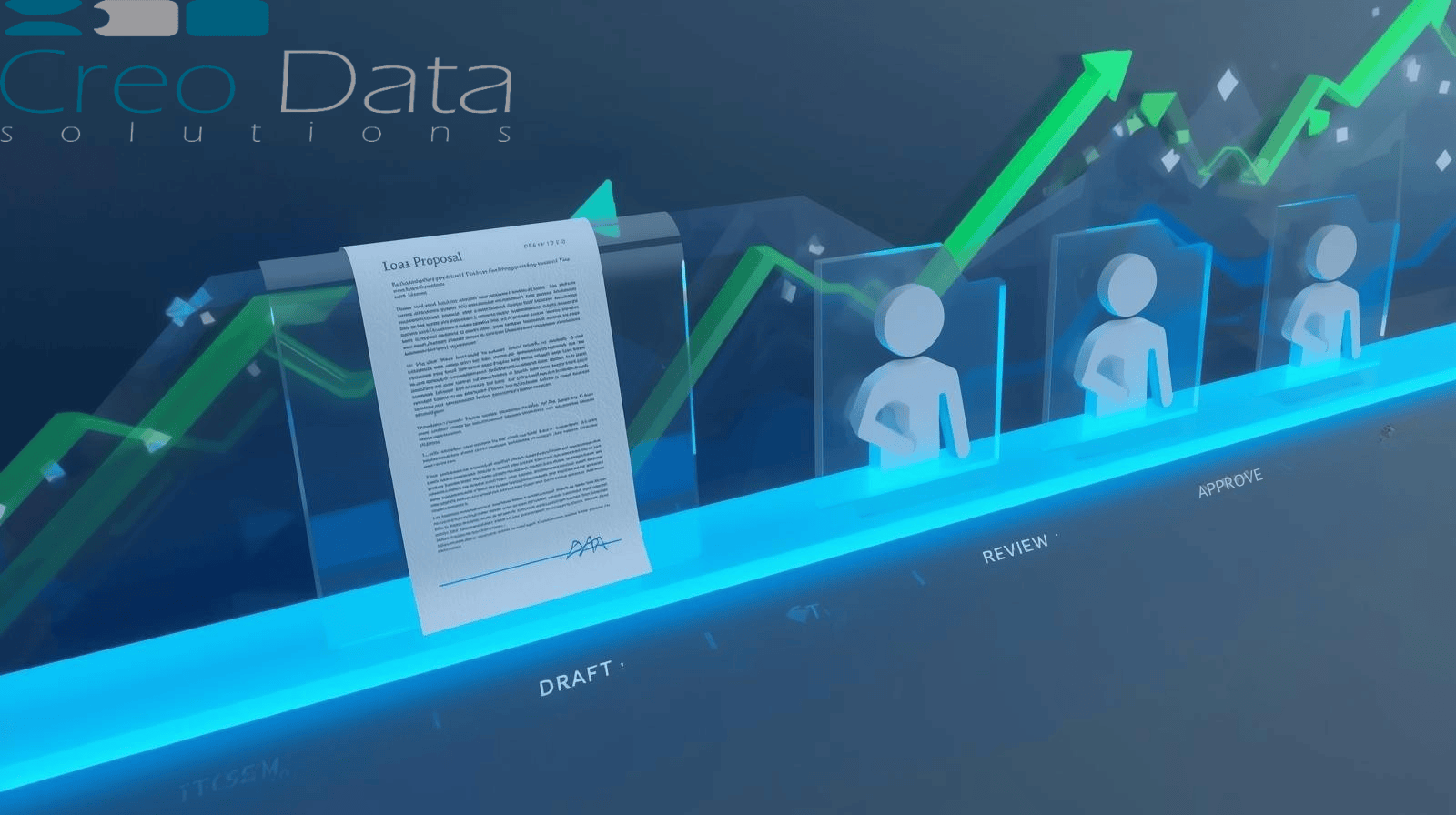
Workplace Banking for Lenders: The Complete Guide to Check-Off Loan Origination (2026)
The complete guide to workplace-banking (check-off / scheme) lending — the unsecured loan origination lifecycle end to end, from employer schemes, affordability and calculators to compliance, the multi-stage workflow, disbursement, SLAs, audit and core-banking integration.
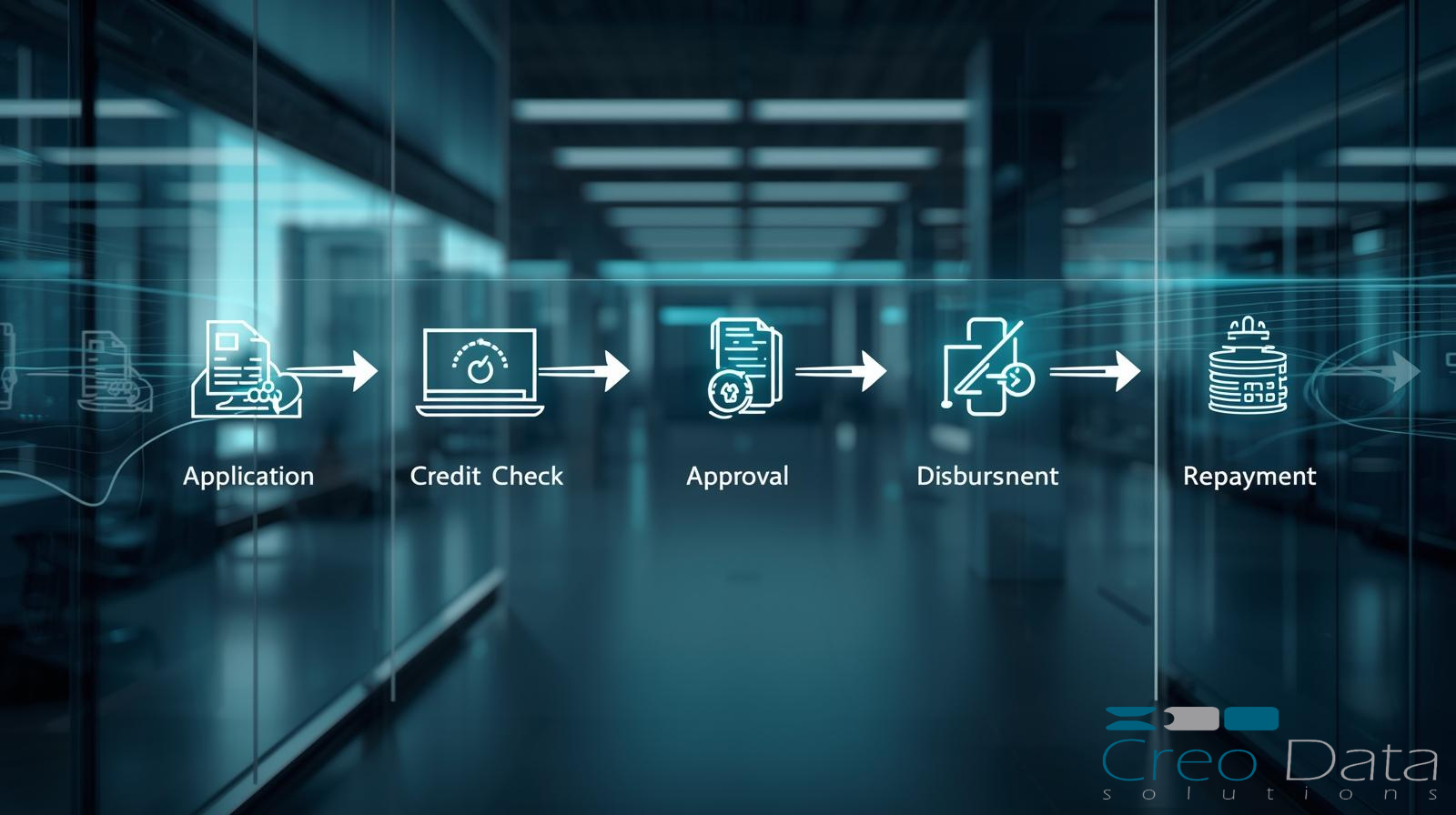
The Workplace-Banking Loan Workflow: Stages, Roles and Decision Gates
A walkthrough of the multi-stage workplace-banking loan workflow — every stage, the role that owns it, the decision gates (forward, return, decline, approve, refer), and how new loans, top-ups and buy-offs branch.

Workplace-Banking System Integrations: Finacle, IPRS, CRB, KRA and More
The integrations behind workplace-banking lending — Finacle core banking, IPRS, CRB, KRA, Comply Advantage, IPPD, DMS and RTGS — and the adapter pattern, retry and circuit-breaker resilience that hold them together.