

The Auto-Renewal Nobody Read: What 340 Unreviewed Contracts Cost One Company
61 supplier contracts had auto-renewed unread. AI clause extraction and obligation tracking turned a static document library into a queryable exposure report.
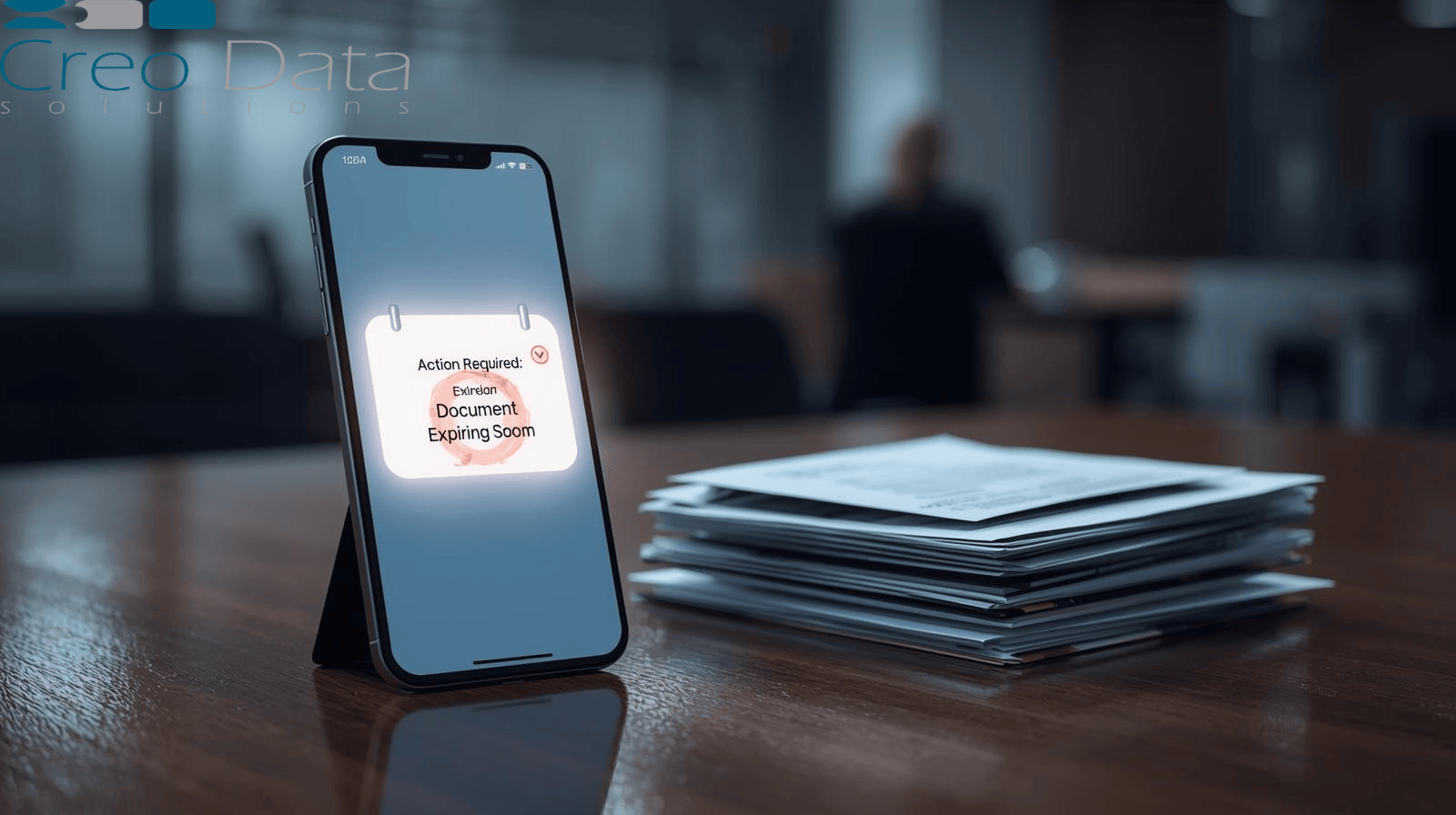
Composite scenario drawn from typical East African deployments. Institution details are anonymised and figures are representative rather than attributable to a single client.
Found during a routine cost review
A regional services group with operations in three countries ran a cost-reduction exercise and asked a straightforward question: what are we contractually committed to?
It took eleven weeks to answer, and the answer was uncomfortable.
The group held roughly 340 active supplier and service agreements. They lived in a SharePoint library, a legal team's local drive, and — for the two smaller country operations — email. Of those, 61 had auto-renewed at least once without review. Four had renewed at rates that had escalated annually under an indexation clause nobody had flagged. Two committed the group to minimum volumes it had not met, creating shortfall liabilities that had been quietly invoiced and quietly paid.
None of this was hidden. Every term was in a document the company possessed. The terms had simply never been extracted into a form anyone could act on.
Why the library was not enough
Storage is not structure. A PDF in SharePoint is searchable for words. It is not queryable for "every contract with a notice period shorter than 90 days" or "every agreement expiring in the next quarter". Those are the questions procurement actually asks, and no amount of folder discipline answers them.
Review depended on individual memory. The legal counsel who negotiated an agreement generally remembered its unusual terms. When she left, that knowledge left. Two of the four indexation surprises were on contracts she had negotiated.
Nothing connected signature to obligation. Once executed, a contract went into the library and the workflow ended. Renewal dates, notice deadlines, volume commitments and reporting obligations existed only in the document body.
Review was inconsistent because there was no standard. Different reviewers flagged different things. There was a house position on liability caps, but it lived in a partner's head rather than in a playbook.
What was put in place
The group deployed Creodata Contract Processing on Azure, and ran the existing 340 agreements through it as a backfile before applying it to new intake.
Extraction first. Contracts are ingested in common formats and the clauses that matter are extracted into structured fields: termination and notice, liability and indemnity, payment and indexation, IP and confidentiality, term and renewal mechanics. The backfile run took days rather than the eleven weeks the manual review had taken, and it produced something the manual review had not — a queryable dataset.
Risk flagged against a playbook. The group's positions were encoded once: acceptable liability caps, unacceptable auto-renewal without notice, required termination-for-convenience rights, indexation ceilings. New contracts are reviewed against that playbook and non-standard, missing or high-risk terms are flagged for a human. The reviewer's judgement is still the decision; the reading is not.
Obligations tracked after signature. Renewal dates, notice deadlines and volume commitments come out of the extraction and into a tracked calendar with owners. The contract lifecycle no longer ends at execution.
Routing made explicit. Contracts move through legal, procurement and finance approval as a workflow rather than as forwarded attachments, with version history and a searchable repository behind it.
A clause library was built from the extraction output, which had an effect nobody had planned for: the group discovered it was using nine different confidentiality clauses across its supplier base, most of them weaker than the one it considered standard.
Where it landed
The immediate recovery was commercial. Of the 61 unreviewed auto-renewals, 23 were renegotiated or exited at the next notice window. The two volume-shortfall agreements were restructured.
Ongoing, the change is in the shape of the work. Legal review time per new contract fell substantially, but more importantly it moved: reviewers spend their time on the three or four flagged clauses rather than reading forty pages to find them. Procurement now runs a quarterly report of contracts approaching a notice deadline, which did not previously exist as a capability.
The backfile also gave the group something it could take to its board: a single view of contractual exposure by counterparty, by country and by expiry window. Before the exercise, that question could only be answered as an estimate assembled over several weeks. It is now a report.
The pattern worth recognising
Most contract failures we encounter are not disputes. They are obligations that were agreed to in good faith and then forgotten, because the information stayed in prose form in a document store.
Three questions surface the exposure quickly:
Can you list every contract auto-renewing in the next 90 days? If that requires opening documents, you are exposed.
Is your negotiating position written down? A playbook that exists only in a senior lawyer's judgement does not scale and does not survive their departure.
Does anything happen after signature? If the workflow ends at execution, the obligations you accepted are unmanaged from that moment on.
Not sure what your contracts commit you to? Book a consultation or explore Contract Processing to see how clause extraction and obligation tracking work together.