

AML
An AML platform is the workspace where a compliance team turns customer data and transactions into risk ratings, screening decisions, alerts, cases and regulator filings. This hub gathers Creodata's writing on each of those parts: customer risk assessment and the risk-based approach, sanctions and PEP screening and what to do with a name match, transaction-monitoring rules and the alert backlog they create, case management with four-eyes review, and the audit trail an examiner expects to find.
The articles are written for MLROs, heads of risk and the IT teams that support them at banks, SACCOs, microfinance institutions and fintechs in East Africa, and they connect to the goAML hub where the reporting obligation begins. Read the complete AML platform guide first; the rest of the cluster takes one component at a time.

Three Analysts, 900 Alerts a Week: How a Microfinance Lender Broke Its False-Positive Backlog
A microfinance lender drowning in 900 sanctions alerts a week rebuilt AML screening around entity resolution and risk-weighted alerting — not more analysts.

Adverse Media Screening: Catching the Risk Sanctions Lists Miss
Sanctions and PEP lists only show known, designated risk. Adverse media screening surfaces the rest — how negative-news screening works, how to filter for relevance and recency, and where it fits in onboarding, EDD and periodic review.

Audit-Ready AML: Evidence-First Investigations and the Four-Eyes Principle
When an examiner asks you to walk through a single decision, can you? How an append-only audit trail, evidence-first design and the four-eyes principle make every AML decision reconstructable — and inspections far less painful.
AML Case Management: From Alert to Disposition Without Losing the Audit Trail
A walk through the AML case lifecycle — queue assignment, the RFI cycle, SLA management, linked-case investigation, EDD, escalation, and the decision to file or close — built so every step leaves an audit trail.

Why AML Detection Fails Without Data Quality: Ingestion, Mapping, and DQ Rules
No monitoring rule can catch what bad data hides. How disciplined ingestion, field mapping, source certification and data-quality rules give your AML platform the clean, complete data it needs to detect and report accurately.
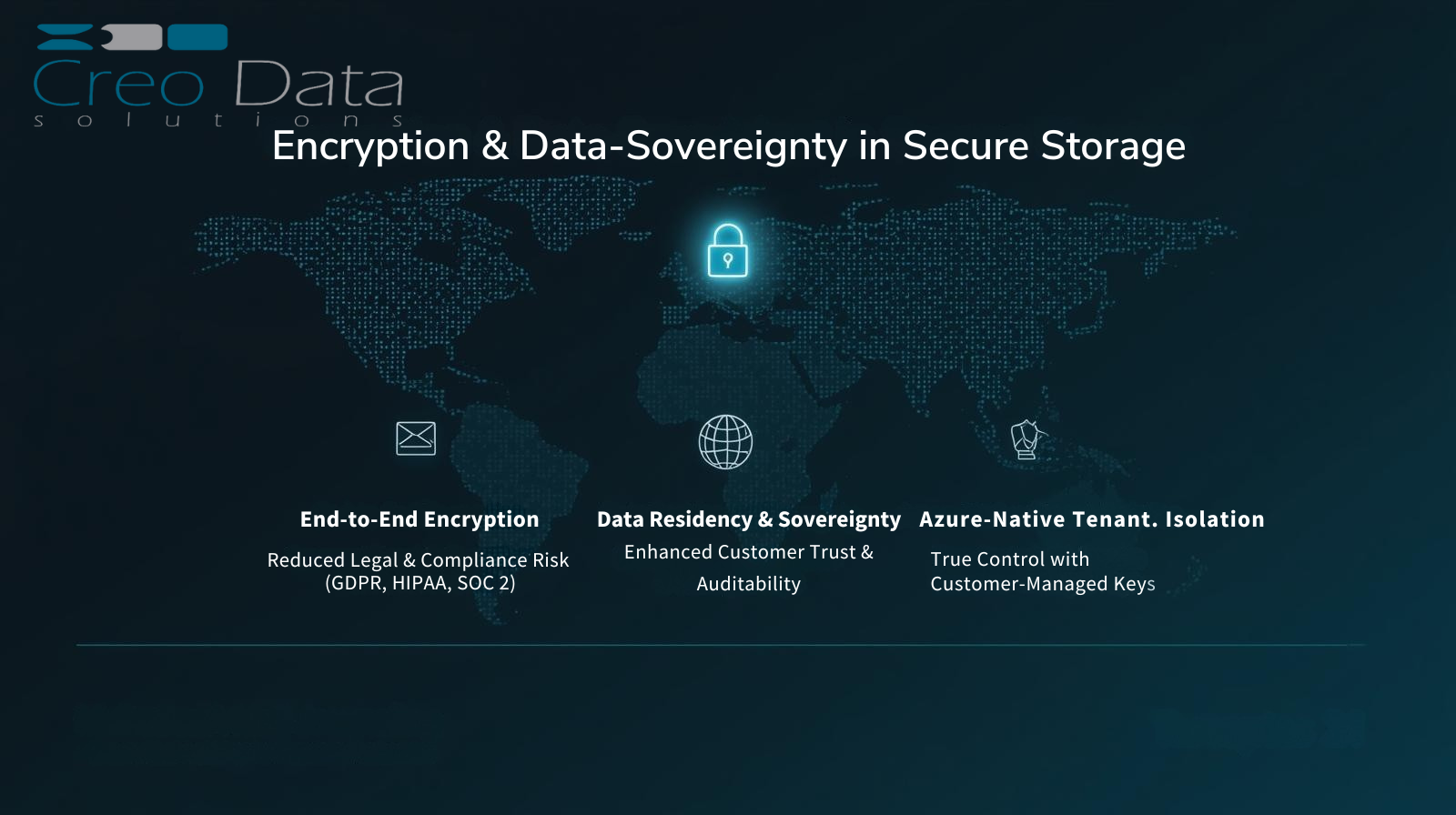
AML Compliance Platforms: The Complete Guide for Banks, SACCOs & Fintechs (2026)
What a modern AML compliance platform does end to end — customer risk assessment, sanctions and PEP screening, transaction monitoring, case management, entity resolution, explainable AI, data quality, audit trails, and regulatory reporting — the complete 2026 guide for East African institutions.

Keeping Up With AML Regulatory Change: Obligation Registries and Change Notices
AML obligations in East Africa change constantly, and 'we did not know' is not a defence. How an obligation registry, change-notice ingestion and tenant acknowledgement keep your controls aligned to current rules — with evidence you stayed current.

Beneficial Ownership and Entity Resolution: Mapping the Network Behind a Customer
Money launderers hide behind layers of entities. How entity resolution and a beneficial-ownership graph reveal the real network — resolving duplicate records, linking related parties, and surfacing UBO and layering for investigators.

Customer Risk Assessment: Building a Defensible 6-Factor CRA Model
How to build a customer risk assessment model regulators will accept — the six risk factors, configurable weights and bands, periodic review by risk band, and override controls protected by four-eyes approval.

Enhanced Due Diligence (EDD): When to Apply It and What It Requires
When standard CDD is not enough — the triggers for enhanced due diligence, the measures it requires (source of funds and wealth, senior approval, enhanced monitoring), and how to document EDD so it survives an inspection.

Explainable AI in AML: SHAP, Four-Eyes Activation, and the Kill Switch
AI can sharpen AML detection, but only if every decision is explainable and governed. How explainable AI works in compliance — SHAP top-3 reasons, confidence scores, human Accept/Modify/Reject, four-eyes model activation, drift monitoring and a kill switch.

Money Laundering Typologies Every Compliance Team Should Monitor
A field guide to the money laundering and terrorism financing typologies that matter in East Africa — placement, layering and integration, structuring, mobile-money abuse, trade-based laundering and funnel accounts — and how each maps to a monitoring rule.

How to Reduce False Positives in AML Screening Without Missing Real Risk
AML screening commonly drowns teams in false positives. The tuning levers that cut the noise safely — match thresholds, list scoping, secondary identifiers, explainable match reasons, and governed, four-eyes threshold changes with back-testing.

The Risk-Based Approach to AML: Designing a Program FATF and Your FIU Expect
The risk-based approach is the backbone of every credible AML program. How to translate FATF expectations into an enterprise risk assessment and proportionate controls that connect customer risk, screening, monitoring, case management and reporting.

Sanctions and PEP Screening Explained: Lists, Matching, and Decisions
A practical guide to sanctions and PEP screening — the lists involved, how fuzzy and multi-script name matching works, why every hit needs an explainable reason, and how to run a defensible false-positive workflow at onboarding and on an ongoing basis.

Transaction Monitoring in AML: How Rule-Based and Behavioural Detection Work
How AML transaction monitoring works end to end — rule-based versus behavioural detection, batch and streaming evaluation, typology-aligned rule packs, back-testing and tuning, and how alerts feed case management.

Watchlist Management in AML: Keeping Sanctions and PEP Lists Current and Auditable
Screening is only as good as the lists behind it. How watchlist management works — provider sync, manual uploads, versioning, and freshness and coverage dashboards that prove your lists were current when you screened.