
Smooth Loan Disbursement
Streamline the final disbursement stage with workflow automation, reducing turnaround time for clients, minimizing operational risk, and improving throughput in the credit department.
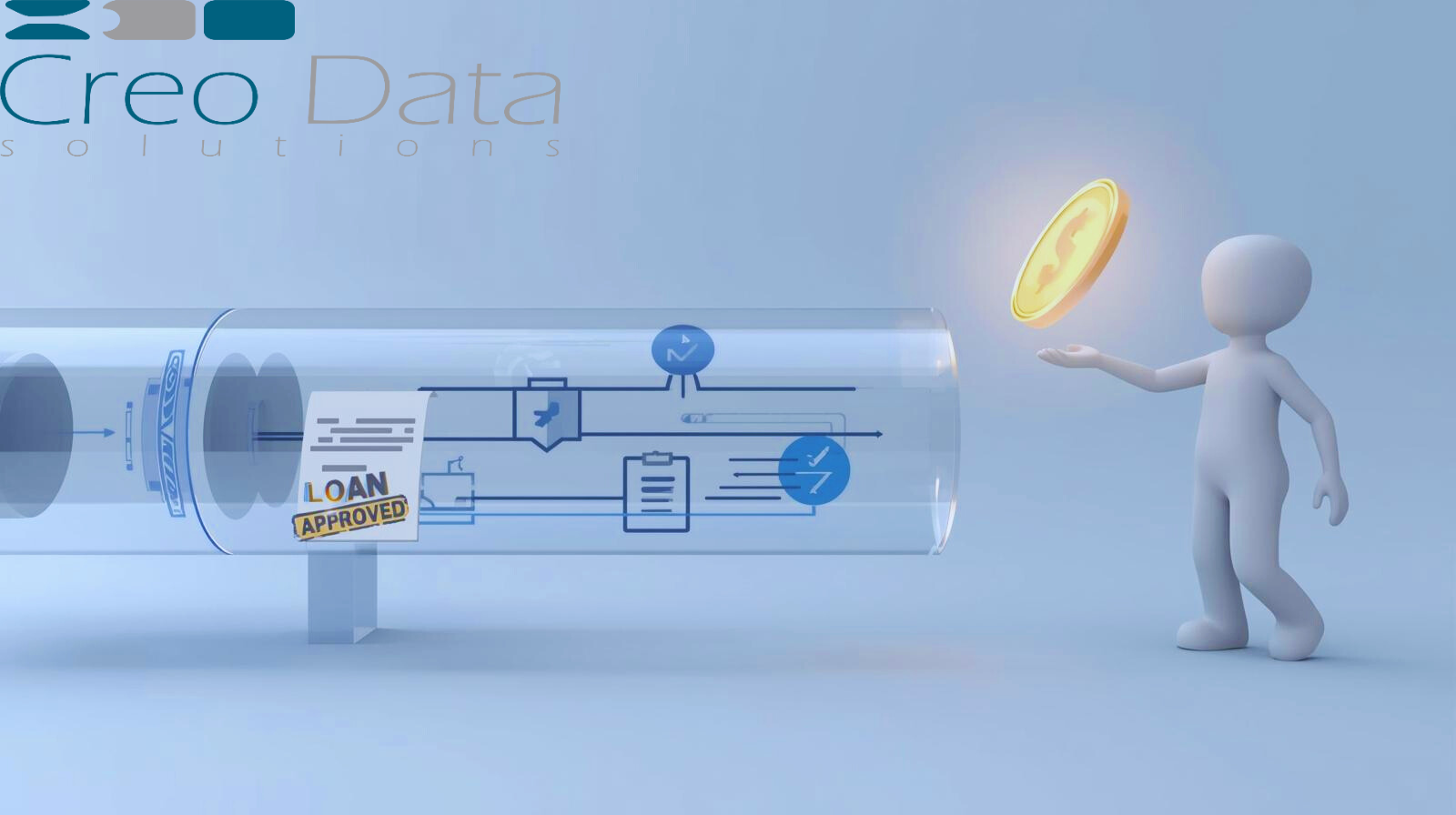
The Final Stage by Credit Department: Approved Loans Are Disbursed Efficiently, Reducing Turnaround Time for Clients
In lending operations, getting to "loan approved" is a major milestone. But between approval and disbursement there are many final steps that often create delays. Workflow automation that streamlines the final disbursement stage under the credit department can make a big difference: reducing turnaround time, enhancing client satisfaction, minimizing operational risk, and improving throughput.
Creodata Solutions' Loan Management System provides a strong foundation for this by offering a cloud-based, end-to-end lending platform with configurable workflows, real-time reporting, security, compliance, and modularity.
This article drills into how automating the final disbursement stage works, what features are involved, what benefits are realized, and who stands to gain the most.
How Creodata's Loan Management System Supports Disbursement Automation
Using Creodata's solution as a reference, here's how those features are or could be implemented:
-
End-to-End Loan Processing: Creodata supports the full loan lifecycle from customer onboarding, application, approval, disbursement, repayment, and delinquency management.
-
Customizable Workflows & Approval Hierarchies: Institutions can tailor loan product workflows, approval steps, thresholds and policies. That includes disbursement-specific gates and roles.
-
Integration Capabilities: Connects with external systems (payment gateways, bank transfers) so that once the internal conditions are met, funds can move out accurately.
-
Real-Time Reporting and Dashboards: Provides visible status of loans and disbursements; management can see pipeline delays, volumes, etc.
-
Security, Compliance, Audit Logging: Creodata is hosted on Microsoft Azure; it uses role-based access, encryption, audit trails; it supports compliance with standards suited for financial institutions.
Thus, Creodata's platform offers the necessary infrastructure to automate disbursement in a way that is both efficient and compliant.
The Process Flow: From Approved Loan to Disbursement
Here is a typical automated flow for the disbursement stage under Credit Dept using workflow automation:
1. Loan Approval Completed
All underwriting and credit decisions made; conditions identified, client informed.
2. Pre-Disbursement Checklist / Conditions Verification
System checks whether required documents are present: signed contract, identity/KYC, collateral documentation (if any), internal approvals.
3. Compliance / Risk / AML Checks
Automated or semi-automated checks with external data (bureaus, fraud checks) ensure no risk flags; perhaps credit exposure limits, regulatory thresholds are checked.
4. Credit Dept Review & Approval
If the disbursement amount or type triggers special review (e.g. large amounts), then additional credit / risk approvals are required. If Credit Manager is absent, the system delegates or escalates.
5. Payment Details Confirmation
Validate beneficiary details (bank account or mobile money), ensure routing codes, verify that the payment channel is valid.
6. Execute Disbursement
Trigger transfer via integrated banking/payment system. Mark disbursement status (scheduled, processing, paid). Handle exceptions/failures automatically where possible (e.g. wrong bank details).
7. Post-Disbursement Actions
- Record transaction in the ledger.
- Update loan status to "Active" or equivalent.
- Notify borrower.
- Internal stakeholders (branch, credit operations, finance) may receive reports.
8. Monitoring & Reporting
On dashboards: monitor delays, failed disbursements, compliance breaches, average time from approval to disbursement.
Key Advantages of Automating Disbursement
Implementing workflow automation for the disbursement stage brings a number of tangible benefits:
1. Faster Turnaround / Reduced Cycle Time
Borrowers receive funds more quickly. What used to take days or weeks (manual checks, paperwork, delays for approvers) can be reduced significantly.
2. Improved Customer Satisfaction
Speed + transparency = happier clients. Clear communication about stages, predictable timing, less waiting.
3. Operational Efficiency & Lower Costs
Less manual work, fewer handoffs, fewer errors means cost savings per loan processed.
4. Reduced Risk & Improved Compliance
By enforcing policy and regulatory checks via automation, fewer mistakes, omissions, or policy violations. Better auditability.
5. Better Resource Utilization
Staff can focus on exceptions, complex cases, or strategic tasks instead of repetitive work.
6. Scalability
As lending volumes increase, the automated system can handle more disbursements without proportional increase in staff.
7. Visibility & Control
Management gains real-time insights; risks or delays become visible; decisions can be made with data.
8. Reduced Errors & Failures
Mistakes in beneficiary account, missing documents, compliance lapses are more likely to be caught automatically before funds go out.
Target Audience: Who Benefits Most
Here are the types of institutions and roles that gain the most from having smooth, automated disbursement workflows:
-
Banks (especially Retail / Commercial / SME) that process many loans, want consistency and speed.
-
Microfinance Institutions where customer satisfaction and speed matter, and high loan volumes require automation.
-
SACCOs (Savings & Credit Cooperative Organizations) that serve members, and want to reduce friction for members receiving approved loans.
-
Digital lenders / Fintechs where speed, UX, scalability are competitive differentiators.
-
Credit Unions that need reliable disbursement processes, good controls, and member trust.
-
Credit / Risk / Operations Teams — these roles will see the improvements internally.
-
Compliance, Audit, Finance Departments — want traceability, regulatory alignment, accurate records of disbursement.
-
C-Suite / Executive Management — interested in operational metrics, customer satisfaction, portfolio performance.
Conclusion
The disbursement stage is the final, critical leg of the loan lifecycle—where promise becomes delivery. Automation of this stage under the credit department, when done well, transforms the borrower experience, reduces operational burdens, and strengthens the institution's risk posture.
Creodata's Loan Management System already offers many foundational features that support smooth disbursement: from configurable workflows and approval hierarchies, robust security and compliance, to real-time visibility and integrations. For institutions looking to reduce turnaround time for clients, minimize errors, and scale lending operations, automating disbursement is not optional — it's essential.
For more information, visit Creodata.com