
Digitizing Loan Intake: The First Step to Smarter Lending
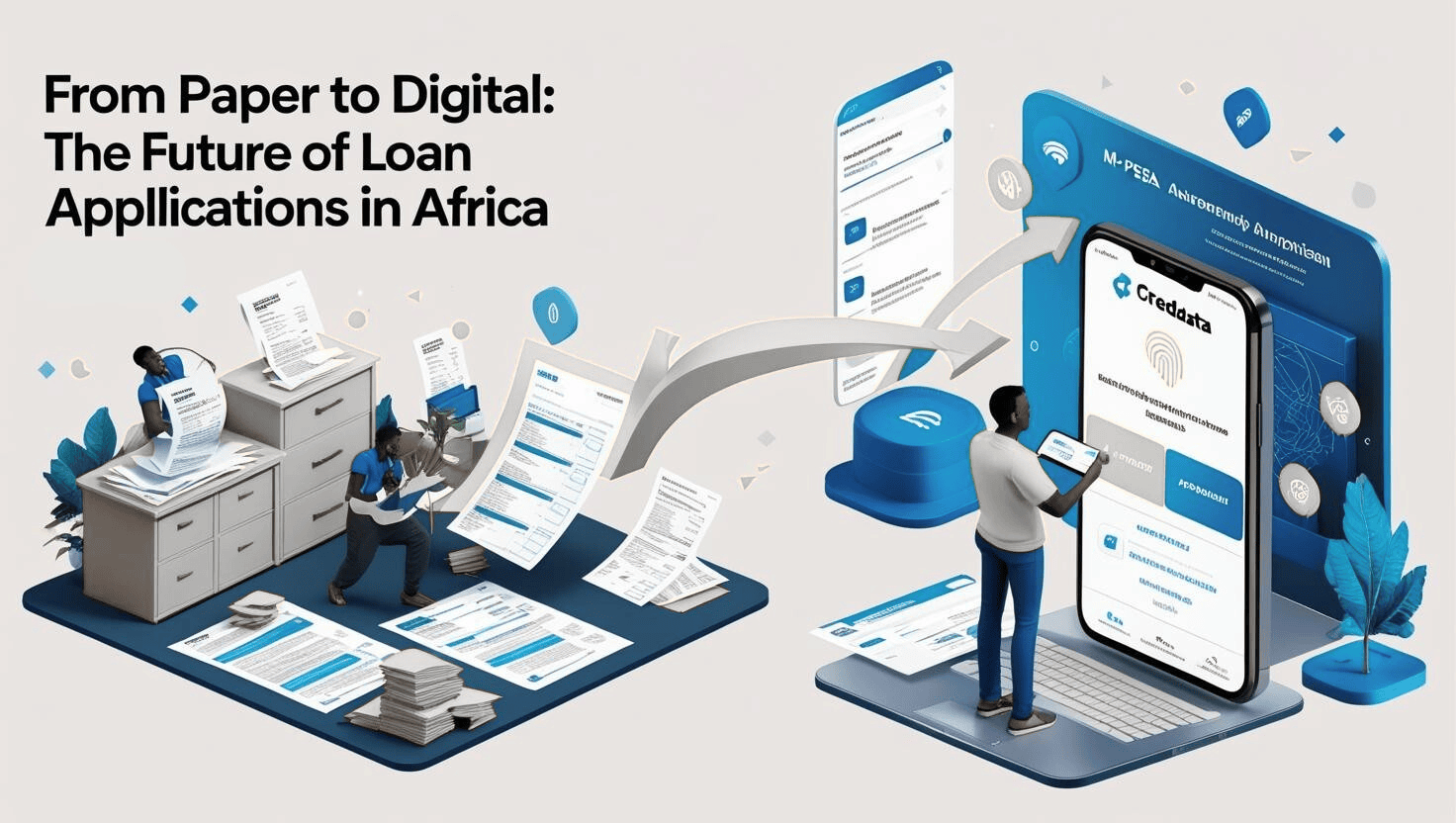
Transform traditional paper-based loan applications into a streamlined digital process, reducing processing time by up to 70% and improving borrower satisfaction.
Introduction
For retail banks, microfinance institutions (MFIs), and savings and credit cooperatives (SACCOs), the loan origination process is the backbone of their operations. However, traditional loan intake processes often rely on manual forms and paper-heavy workflows, leading to inefficiencies, errors, and frustrated borrowers.
A 2024 survey by Moody's Analytics revealed that 56% of bankers cited manual data collection and repetitive client communication as the biggest hurdles in loan initiation. Digitizing loan intake through a unified digital portal offers a transformative solution, streamlining application processes, reducing operational costs, and enhancing borrower satisfaction.
This article explores how digital loan intake serves as the first step to smarter lending, with a focus on its benefits, implementation strategies, and real-world applications for financial institutions in East Africa and beyond.
The Challenges of Manual Loan Intake
Traditional loan intake processes are labor-intensive and prone to inefficiencies. Loan officers often collect physical documents—such as IDs, pay stubs, and financial statements—requiring manual data entry into disparate systems. This approach creates several challenges:
- Time-Consuming Processes: Manual data entry and document verification can take days or weeks, delaying loan approvals and disbursements
- Data Inaccuracies: Repetitive data entry increases the risk of errors, leading to incomplete applications or incorrect credit assessments
- Poor Borrower Experience: Borrowers must visit branches multiple times or submit piles of paperwork, leading to frustration and application abandonment
- Operational Costs: Maintaining physical records and large staff for manual processing increases overhead, particularly for smaller institutions like MFIs and SACCOs
- Compliance Risks: Manual processes make it harder to ensure compliance with regulations like Know Your Customer (KYC) and Anti-Money Laundering (AML) standards
These challenges are particularly acute in East Africa, where mobile penetration is high (e.g., 93% in Kenya), but many financial institutions still rely on paper-based systems, limiting their ability to serve underserved populations efficiently.
The Solution: A Unified Digital Portal for Loan Intake
A unified digital portal transforms loan intake by centralizing and automating the application process. This platform allows borrowers to submit applications online or via mobile apps, integrating with internal and external systems to streamline data collection, verification, and processing.
Key Features of a Digital Loan Intake Portal
- Online Application Forms: Borrowers can complete applications anytime, anywhere, using web or mobile interfaces, reducing the need for in-person visits
- Automated Data Capture: Integration with credit bureaus, mobile money platforms (e.g., M-Pesa in Kenya), and open banking APIs pulls relevant data, such as transaction histories, to pre-fill forms
- Digital Identity Verification: Biometric authentication and electronic signatures enhance security and speed up KYC processes
- Document Management: Borrowers upload digital copies of documents, which are stored securely in the cloud and verified automatically, reducing paperwork
- Compliance Automation: Built-in tools ensure adherence to regulatory requirements, such as GDPR or local AML laws, with automated audit trails
Such a portal unifies all channels—online, mobile, branch, and call center—into a single platform, ensuring a seamless borrower experience and consistent data flow.
Benefits for Retail Banks, MFIs, and SACCOs
Digitizing loan intake delivers significant advantages, particularly for institutions serving diverse markets like East Africa:
- Faster Approvals: Automation reduces application processing time from days to hours or minutes
- Cost Efficiency: By eliminating manual processes and reducing branch dependency, institutions save on operational costs. Digital lenders save up to $70 billion annually through automation
- Improved Borrower Experience: A user-friendly portal with self-service options and real-time status updates increases borrower satisfaction and reduces abandonment rates
- Financial Inclusion: Digital portals reach underserved populations, such as rural borrowers, by leveraging mobile access, critical in East Africa where mobile money dominates
- Scalability: Cloud-based platforms, like those offered by Lend Foundry, support high loan volumes and diverse products, from microloans to SME financing
- Enhanced Compliance: Automated checks ensure adherence to regulations, reducing the risk of penalties and enhancing audit readiness
Implementation Strategies
To successfully digitize loan intake, financial institutions should follow these steps:
1. Assess Current Processes
Map existing workflows to identify pain points, such as manual data entry or delays in document verification.
2. Choose a Scalable Platform
Select a cloud-based loan origination system (LOS) with flexible integrations, such as CreoData's Loan Management system, which integrates with Microsoft 365 for seamless data flow.
3. Pilot Testing
Start with a specific loan type (e.g., microloans for MFIs) to test the portal's effectiveness before full-scale deployment.
4. Train Staff and Borrowers
Educate loan officers on the new system and provide borrower guides to ensure adoption of the digital portal.
5. Leverage AI and Analytics
Use AI for credit scoring and risk assessment, and analytics to monitor application trends and optimize processes.
6. Ensure Compliance
Configure the portal to meet local regulations, such as Kenya's Data Protection Act or Tanzania's AML requirements.
Case Study: East African Context
Consider a Kenyan SACCO serving small-scale farmers. Traditionally, farmers submit paper applications at a local branch, requiring multiple visits and manual verification.
By adopting a digital portal, the SACCO enables farmers to apply via mobile phones, leveraging M-Pesa transaction data for credit assessment. Biometric verification ensures secure KYC compliance, and cloud-based document storage eliminates physical files.
Results:
- Loan approvals drop from two weeks to one day
- Loan uptake increases by 30%
- Processing costs reduce by 40%
Similar successes are seen with platforms like Musoni in Kenya, which uses mobile-based lending to serve microfinance clients.
Conclusion
Digitizing loan intake through a unified digital portal is the first step to smarter lending for retail banks, MFIs, and SACCOs. By replacing manual, paper-heavy processes with automated, cloud-based systems, institutions can achieve faster approvals, lower costs, and better borrower experiences.
In East Africa, where mobile money and financial inclusion are critical, digital portals unlock new opportunities to serve underserved populations while ensuring compliance and scalability. Solutions like CreoData's Loan Management system provide a robust starting point, integrating advanced technologies like AI and Microsoft 365 to streamline loan intake.
By embracing digital transformation, financial institutions can stay competitive, meet modern borrower expectations, and drive sustainable growth.